
Pope Leo XIV: AI is a Moral Test
New encyclical on safeguarding the human person in time of AI

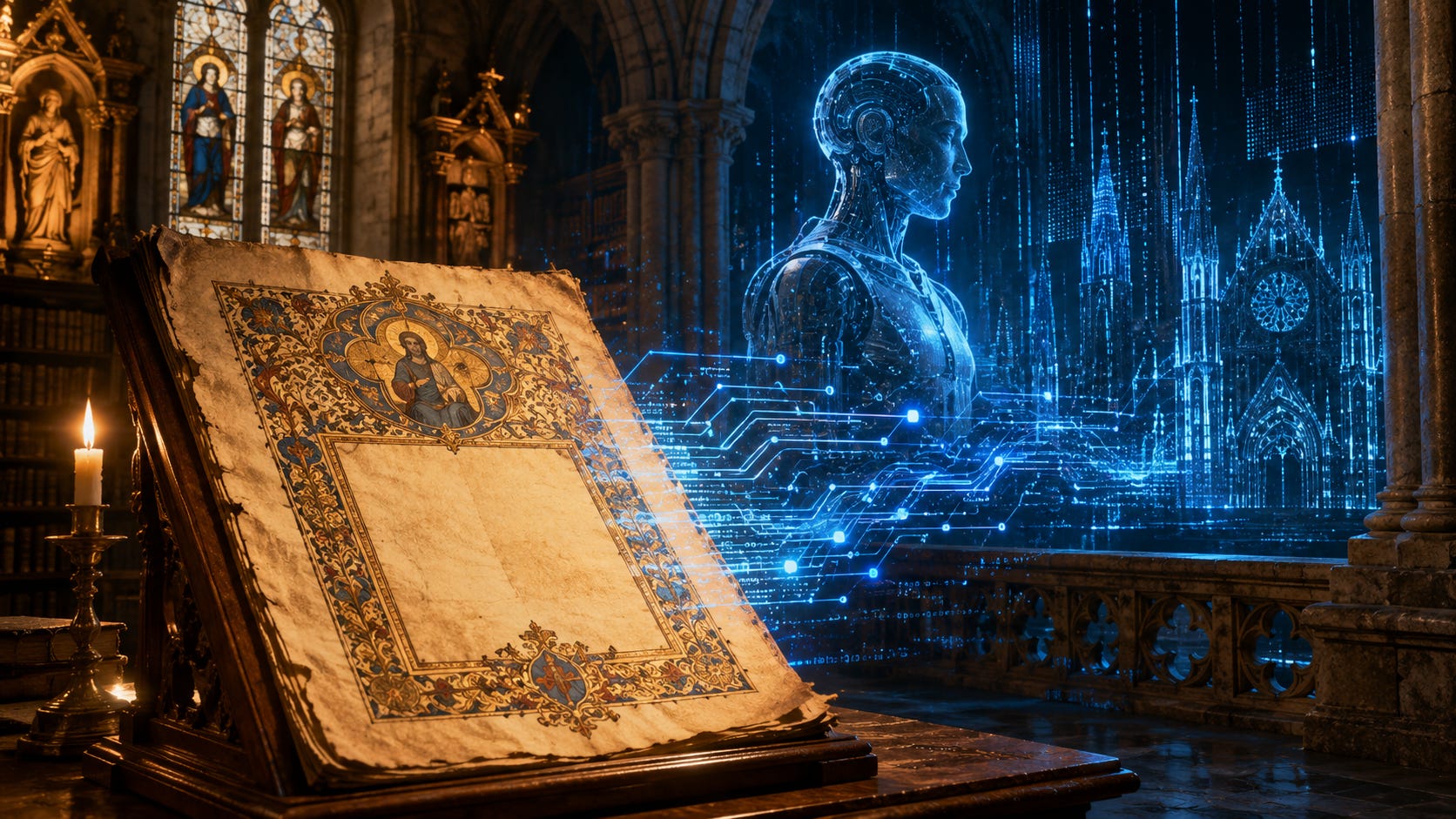
Today, Pope Leo XIV’s new encyclical, Magnifica Humanitas, brings artificial intelligence into the spiritual and moral vocabulary of human worth, work, community obligation, and the common good.
As reported by the Times, the lengthy document treats AI as a social force that will test how societies protect workers, children, human judgment, and responsibility in matters of war.
If you like evidence-based reporting like this, please consider subscribing to StrictQuality.AI so you will be notified about new posts.
The importance of the encyclical is broader than a warning about misuse.
It asks builders, business leaders, public officials, educators, and ordinary citizens to examine the human assumptions built into AI systems.
From the encyclical:
“I wish to address a special appeal to those who develop artificial intelligence. In one sense, technological innovation can represent human participation in the divine act of creation. Developers, therefore, bear a particular ethical and spiritual responsibility, for every design choice reflects a vision of humanity. Just as the creator of an artistic or literary work must consider the values it conveys, so developers are called to embed values in their projects with due seriousness: with transparency, responsibility toward affected communities and careful attention to ensuring that what is being cultivated is a genuine good.”
Click Here to Read the Encyclical: Link
For readers concerned with AI accountability, the central point of Magnifica Humanitas is direct: design choices are not morally neutral. They carry embedded judgments about what people are for, what communities deserve, and what kind of future technology should serve.