
Three Eye-Openers from the ATLAS report on Google AI
Surprises from Google's analysis of Gemini's economic impacts

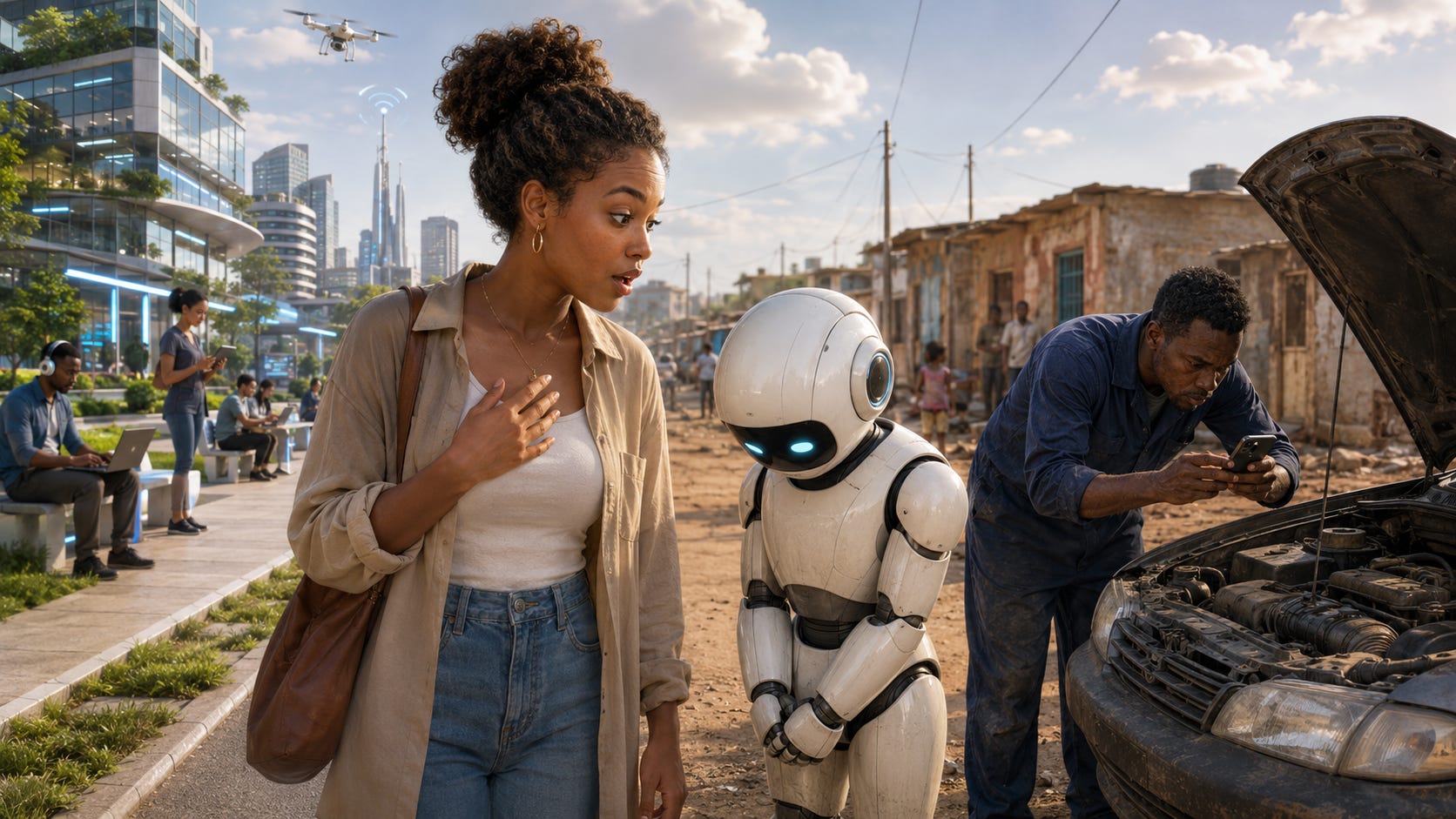
Google and Google DeepMind published a report about ATLAS, its ongoing research project to map Gemini’s economic impacts.
Version 1.0 of the dataset “map[s] AI usage to over 800 occupations, 4000 tasks, 300 household activities, 150 countries, and 140 languages” (page 1).
StrictQuality.AI has read the report and found some “eye-openers” in it. So we used AI-assistance to clarify, refine, and help verify what we found.
If you like conversations about the economic impacts of AI, please signup for a free or paid subscription to StrictQuality.AI so you will be part of the discussion.
Three Eye-Openers from the ATLAS Report
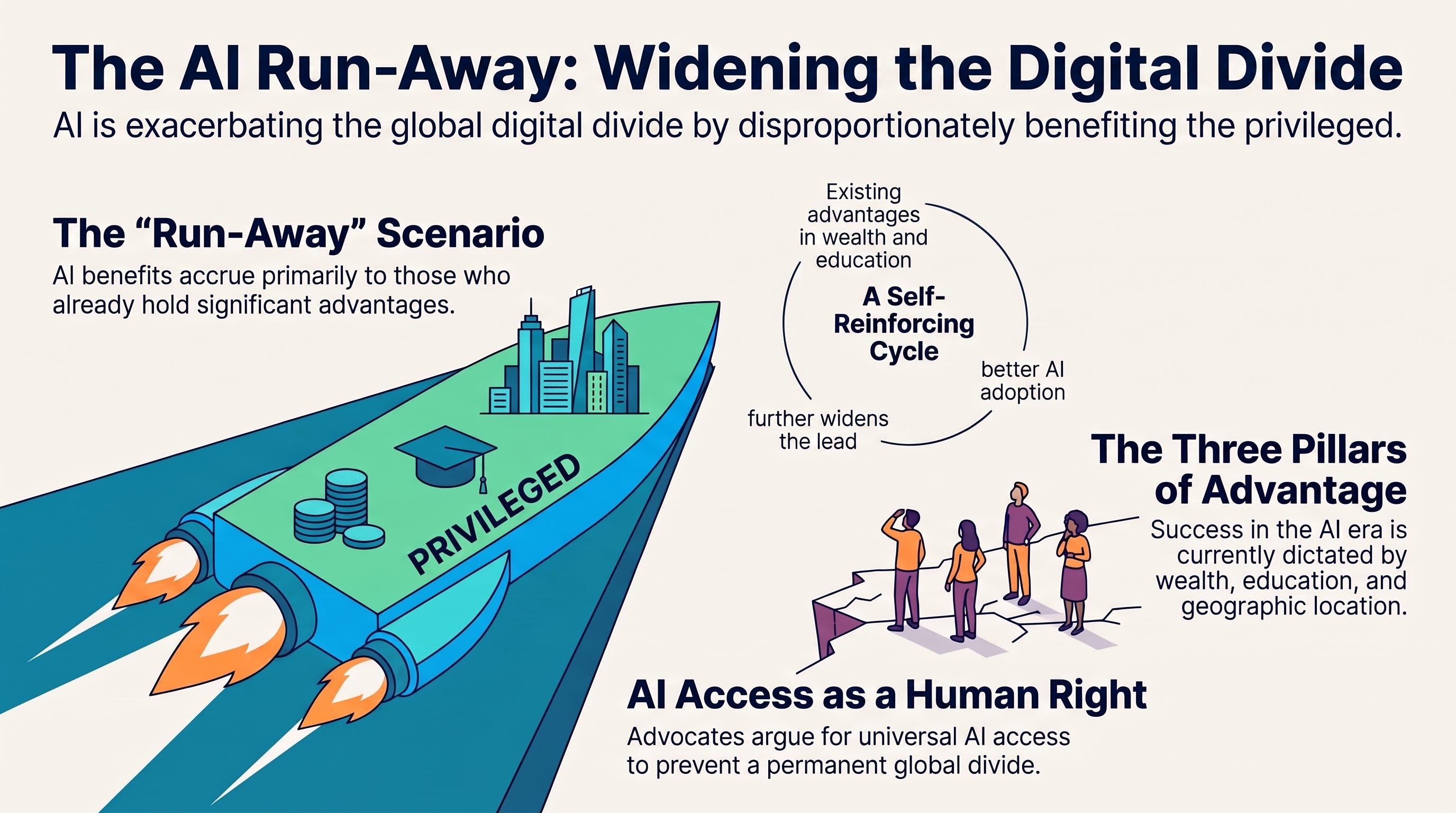
The existing Digital Divide faces a “run-away” scenario where benefits from AI accrue primarily to those who are already ahead.
StrictQuality.AI is afraid. The “run-away” scenario describes a dangerous, volatile, self-reinforcing cycle where existing advantages in wealth, education, and geographic location make people better at adopting AI, which in turn widens their lead.
StrictQuality.AI argues for AI access as a basic human right.
For more information: Expert Comment: Is it time to reconsider our human rights in the age of AI?
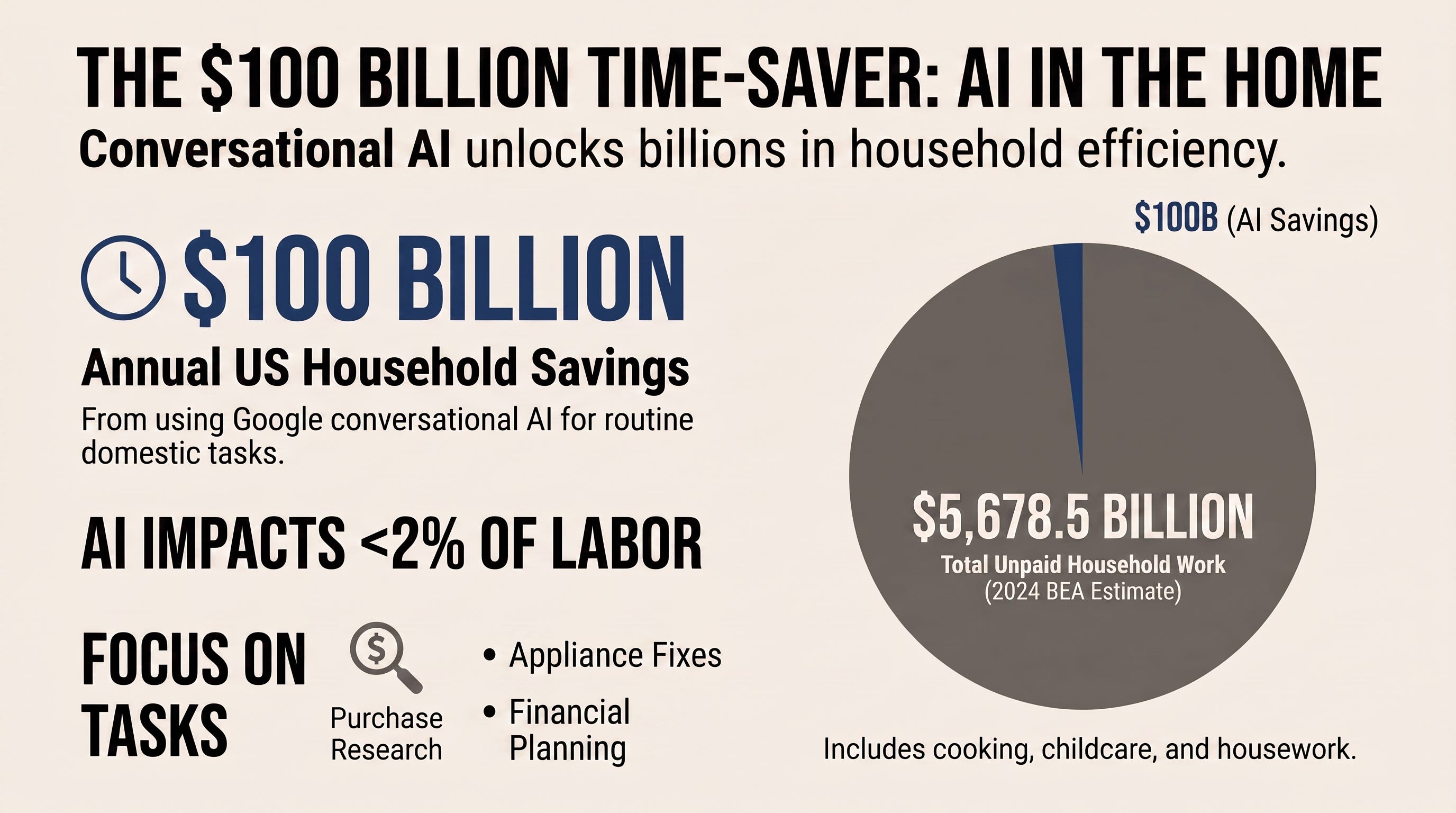
Time saved from using Google conversational AI for household use-cases like budgeting, purchase research, and appliance troubleshooting could be worth approximately $100 billion annually for the US alone.
StrictQuality.AI is less than impressed; $100 billion is less than 2% of the $5,678.5 billion that is the unpaid value of household production (such as cooking, housework, childcare, gardening, shopping, and unpaid travel tied to these activities) in 2024. Source: U.S. Bureau of Economic Analysis (BEA); Click for BEA data
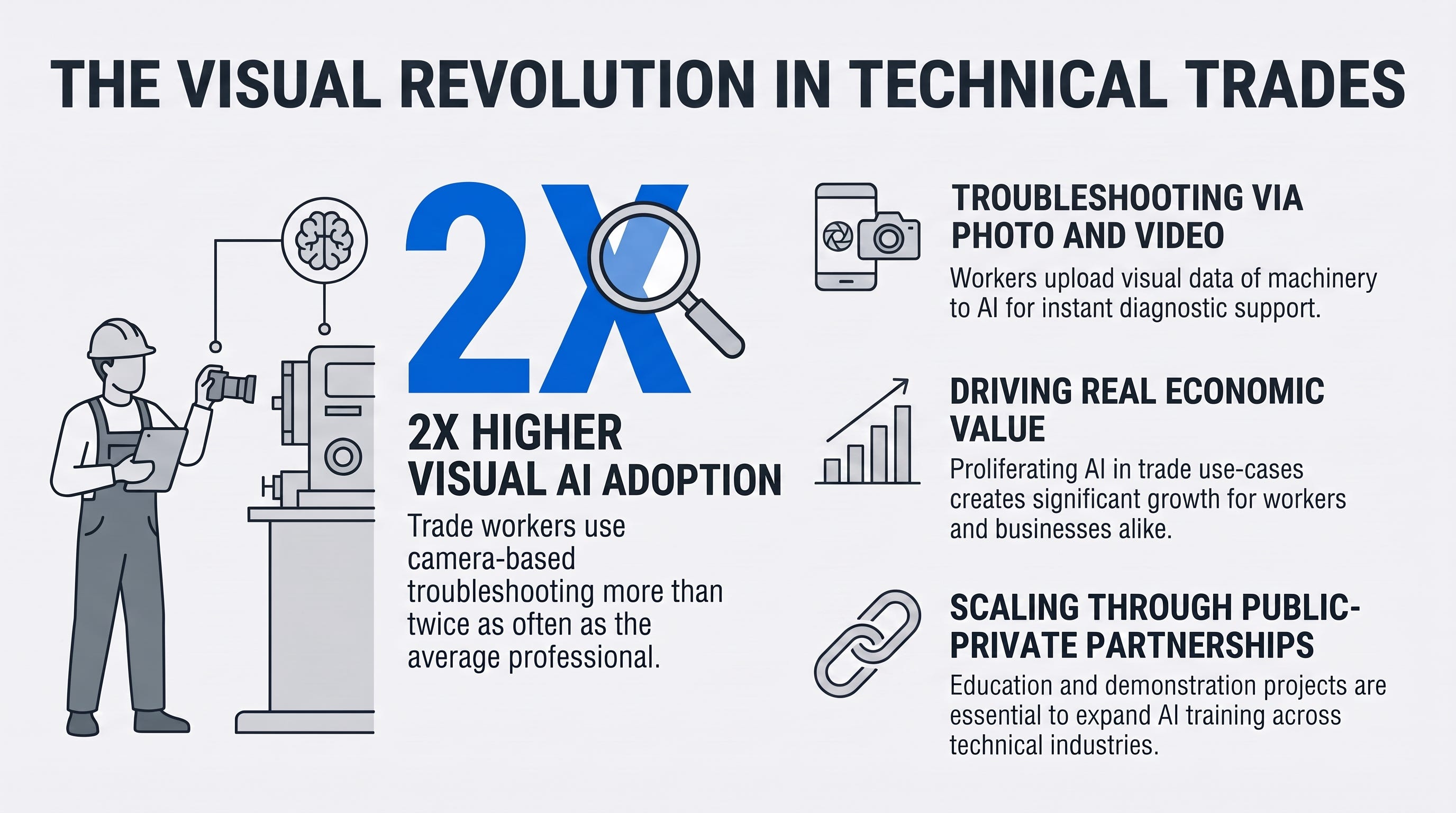
In hands-on technical trades like automotive and industrial repair, workers are uploading photos and videos to AI for troubleshooting physical machinery. In these trades, the rate of using AI’s photo and video features, camera-based troubleshooting, and image-based queries is more than twice the average rate of all the professional, work-related AI interactions in the entire study.
StrictQuality.AI’s is impressed and wants there to be more AI usage in the technical trades. Private-public partnerships to sponsor education, training, and demonstration projects would add real economic value.
Google and Google DeepMind’s ATLAS report promises more dataset iterations and ongoing analysis to discover implications of AI for people in their personal, professional, and civic lives.
StrictQuality.AI encourages you, our gentle reader, to engage with this information and participate in the discussion shaping our AI future.